
BAER Encyclopaedia
C
12 Posts in this encyclopedia category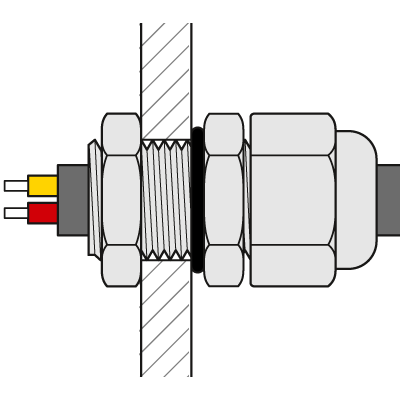
Cable glands are fastening elements used to seal and mechanically secure cable penetrations – often with a thread, seal and clamping mechanism.
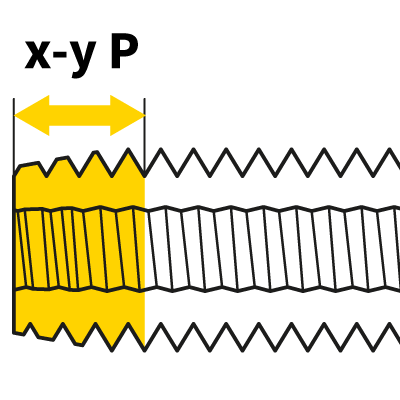
The chamfer length of a tap refers to the number of chamfered thread turns at the front, tapered part of the tool. This area is responsible for the main engagement with the material and the guidance of the tap.
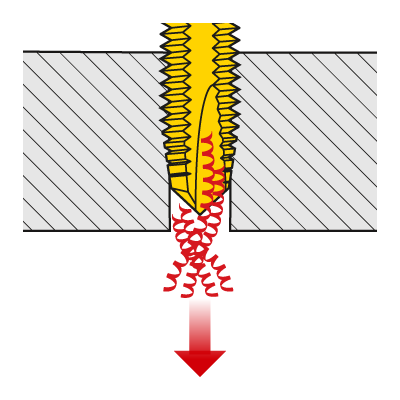
Chip evacuation refers to the removal of chips produced during drilling or thread cutting from the machining zone.
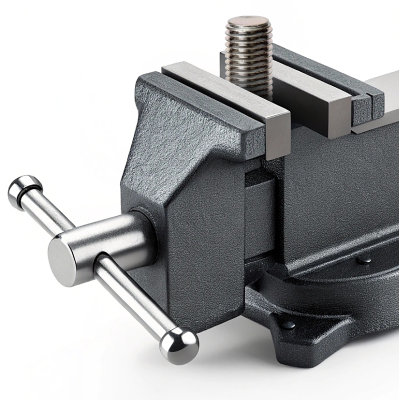
A clamping fixture is a construction or device for fixing workpieces or tools – e.g. clamping blocks, vices, special fixtures.
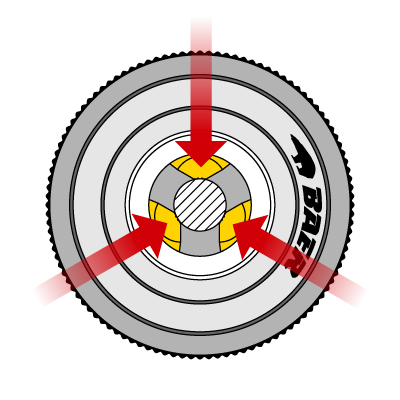
Clamping jaws are essential components of clamping devices used in manufacturing technology to hold workpieces or tools securely and precisely. They are used in a wide range of clamping equipment such as vices, drill chucks, lathe chucks, machine vices, and also in special fixtures for robotics and automation.
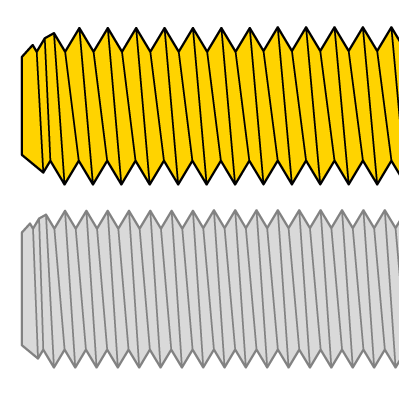
Coarse threads are the standard, normalised thread types with a standardised pitch – e.g. metric coarse threads.
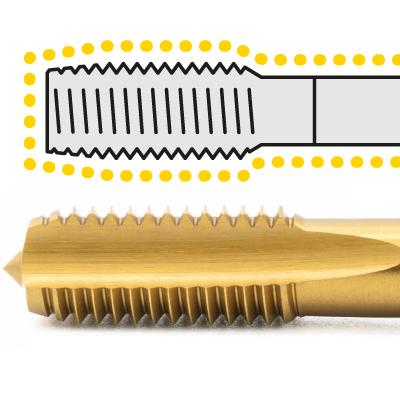
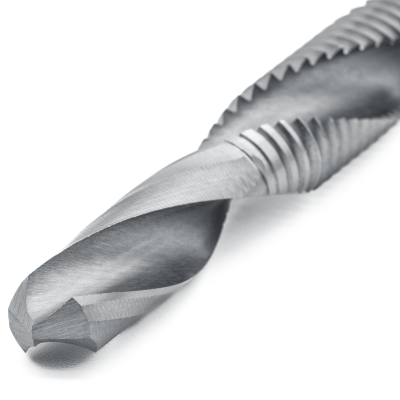
A combination machine tap is a tap designed for use in machines – it combines features such as lead-in, length and material so that it can work efficiently in machines (drill presses, CNC).
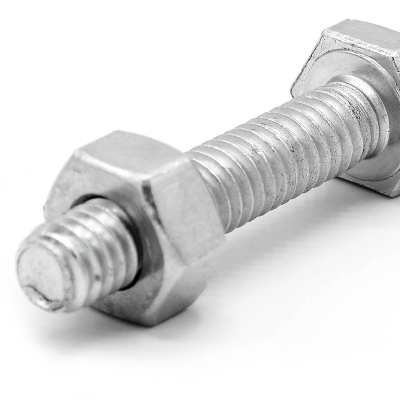
A connecting thread is a thread (internal or external) on a tool, component or holder used to create a detachable connection with a complementary component. It enables a secure and firm hold, for example for mounting a tool in a tool holder, spindle or adapter. Common connecting threads often conform to standardised metric ISO threads such as M10 or M12.
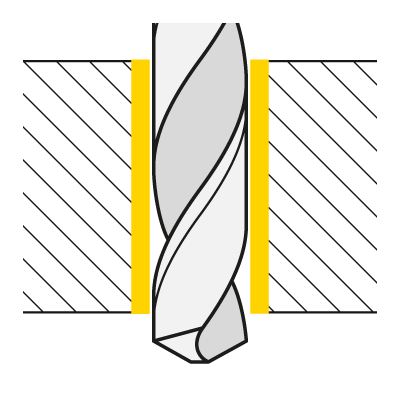
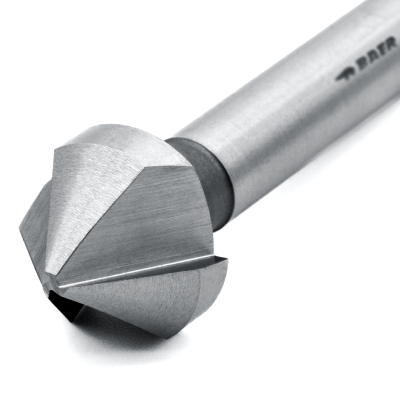
A countersink is a tool for enlarging or deburring a bore opening with a conical profile – i.e. countersinking the bore to avoid sharp edges or to allow screw heads to seat flush.
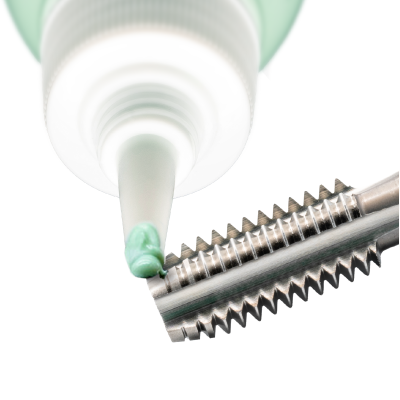
A cutting fluid (also: coolant lubricant) is a liquid or emulsion used during cutting or thread cutting for cooling and lubrication.